It We have taken hundreds of photos documenting the issues with our home.
We’ve edited a select number to show the major problems with mold, leaks and general workmanship.
Behind every picture is a story.
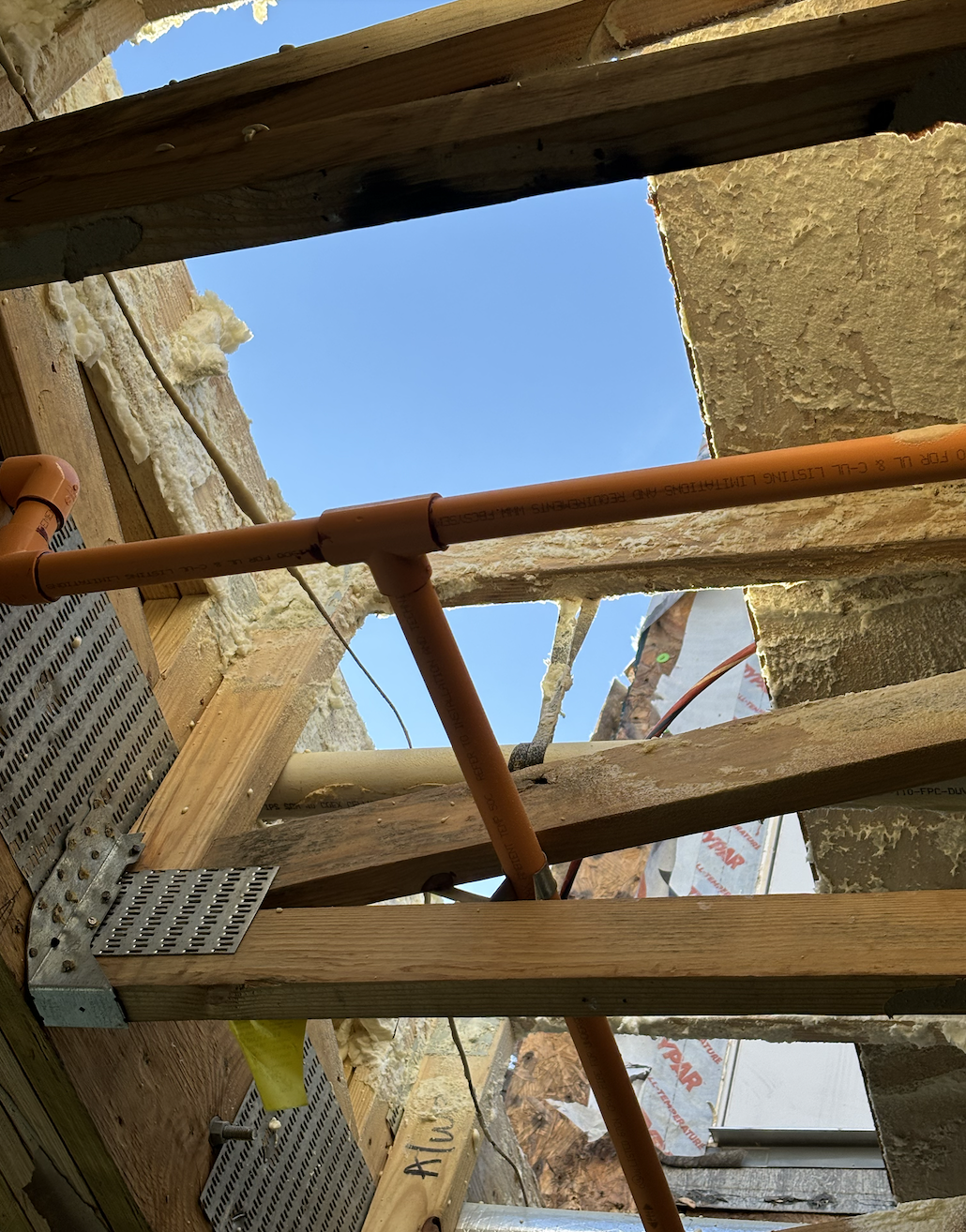
We noticed a seam in the ceiling in the main bedroom shortly after moving in the house. we were told it was settling, to be expected. A year later we discovered there was a leak that caused the seam, which led to the discovery of roof leaks that fed into the foam insulation which led to major parts of the roof being replaced as well as the foam insulation.
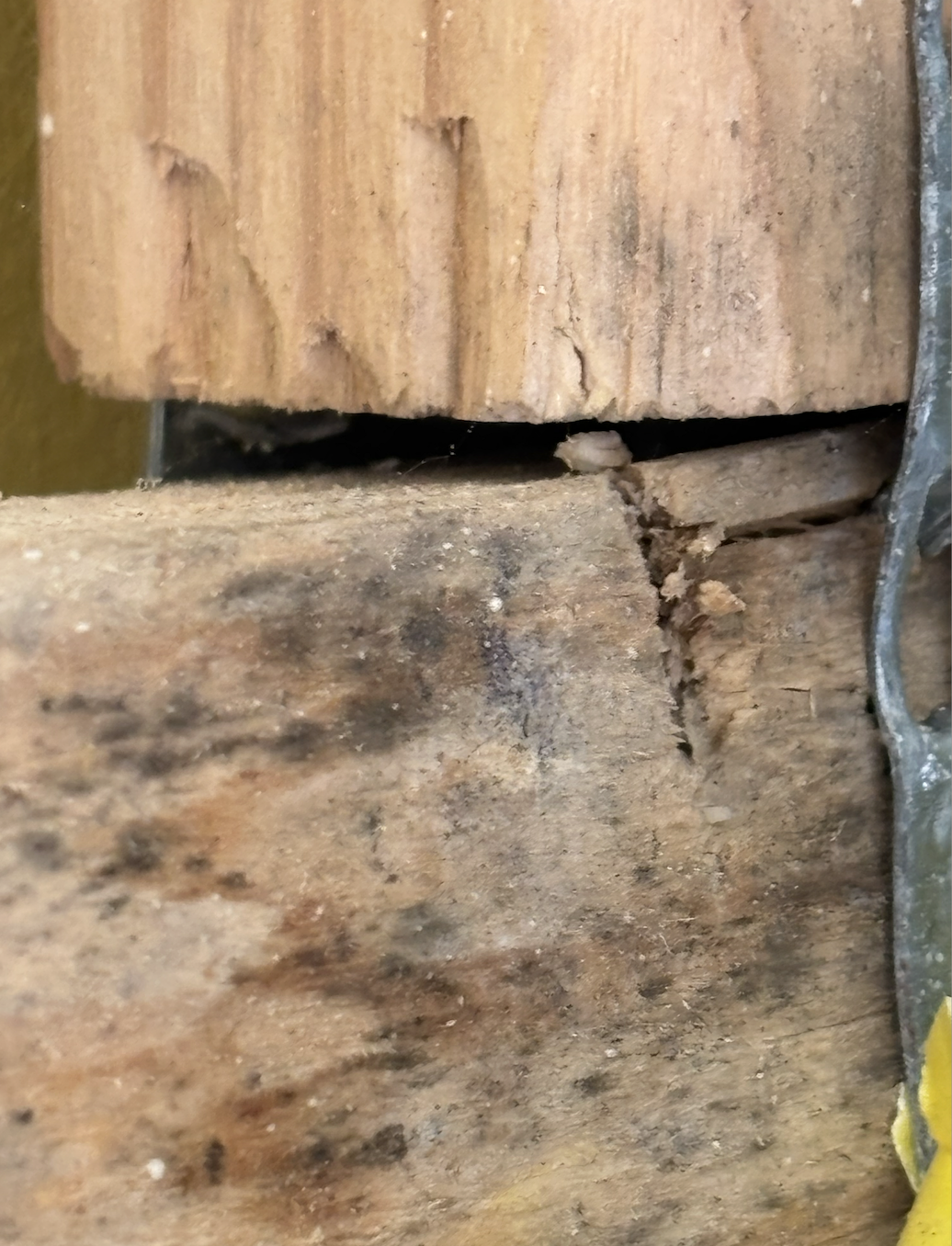
We've questioned the quality of materials, workmanship and supervision of the construction. As walls were being opened, we saw many joints that were not properly joined, wood that was cracked, even in some cases pre-existing mold.
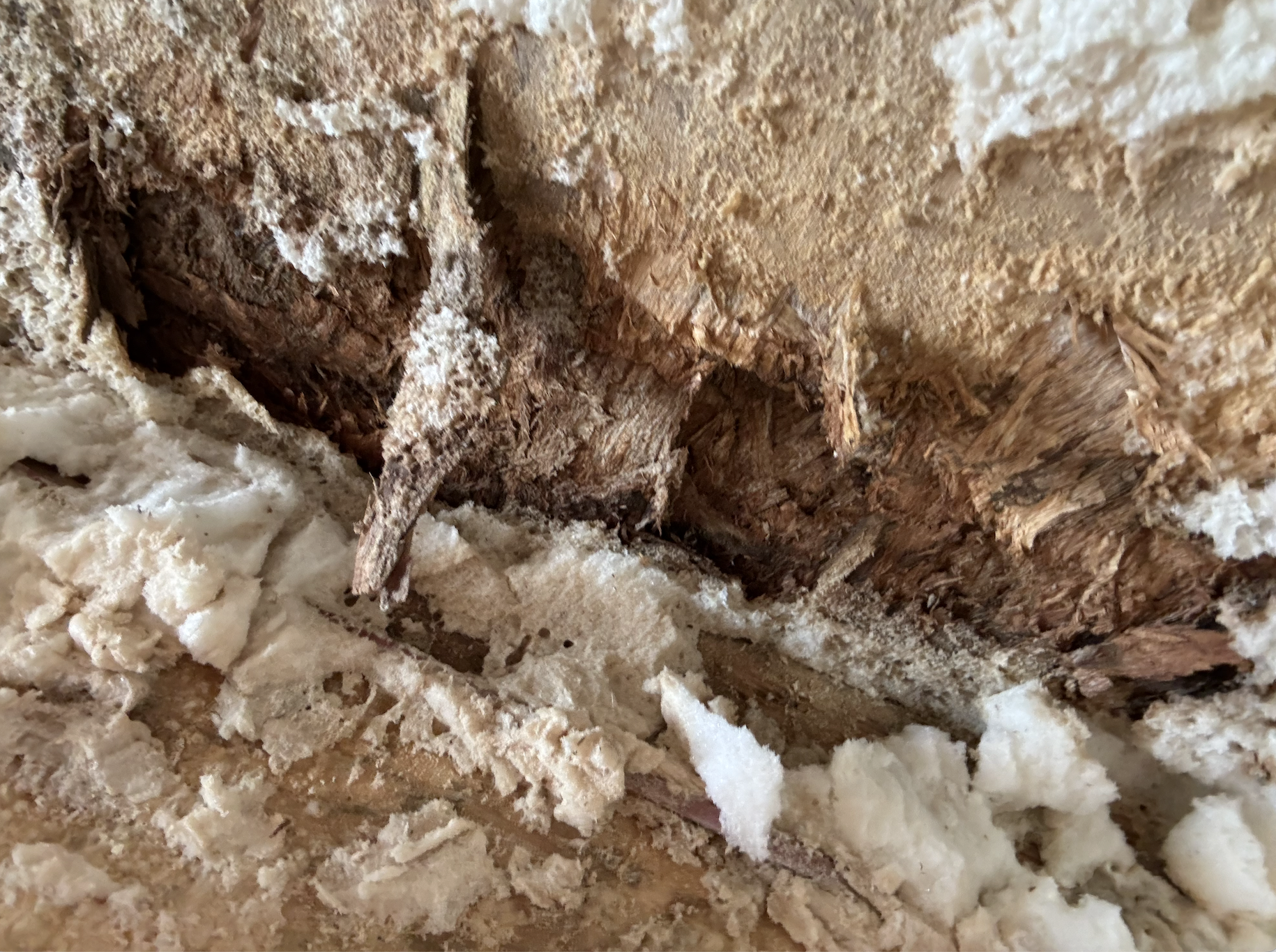
This is another example of the condition of the wood. This section is the roof under the foam insulation. Is this what should be expected in new construction?
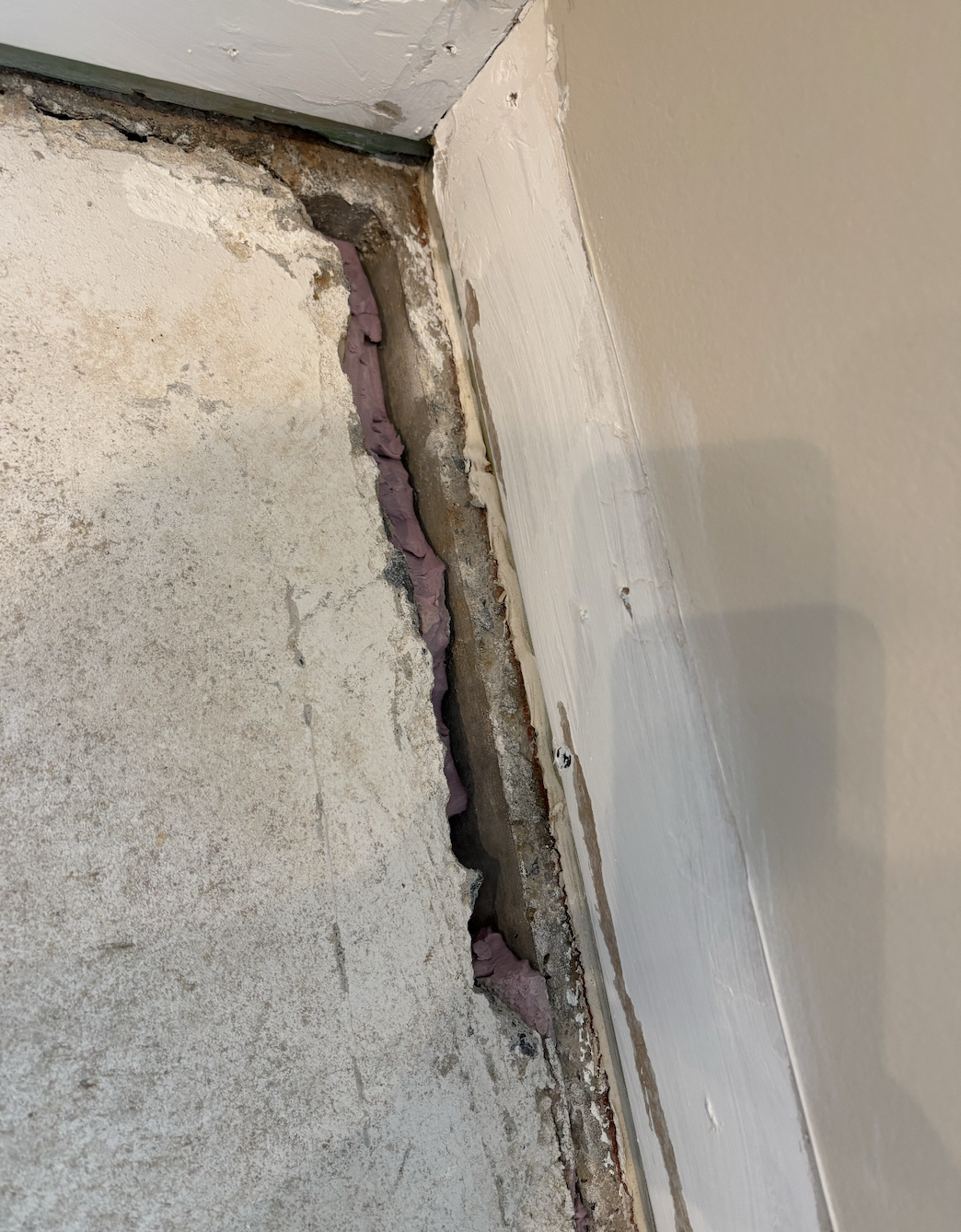
This is the gap that was between the slab and the foundation. This was an entry point for moisture as well as knats that infiltrated the first level. The entire first level flooring had to be torn up, the gaps filled, and then the flooring replaced.
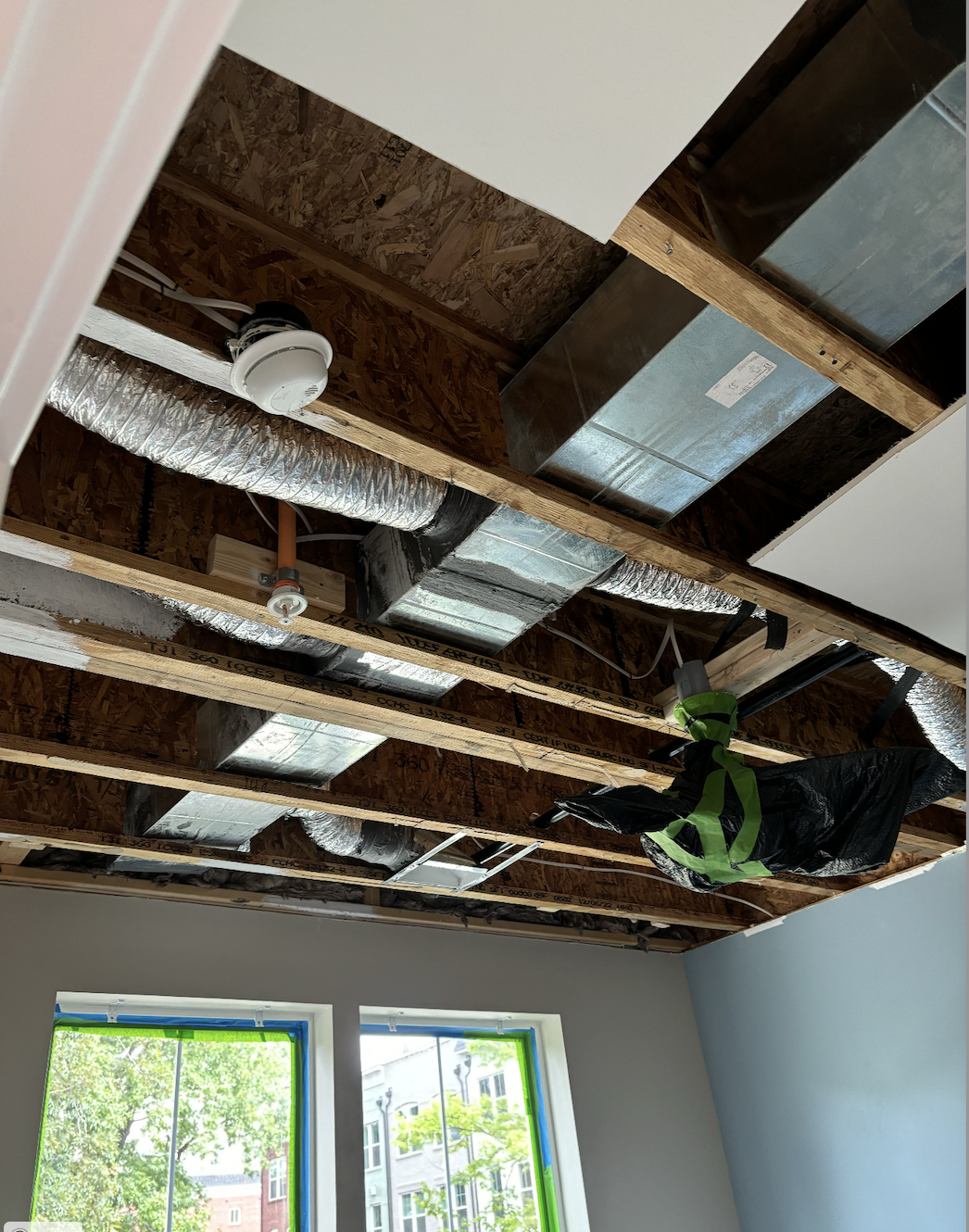
At first, the theory was that poor installation of insulation had left breeches where hot air with high moisture was entering the areas between floors. There were also holes in the duct work that were discovered. Best practices say that all duct work in high moisture environments should be insulated. The builder refused to add this level of protection.
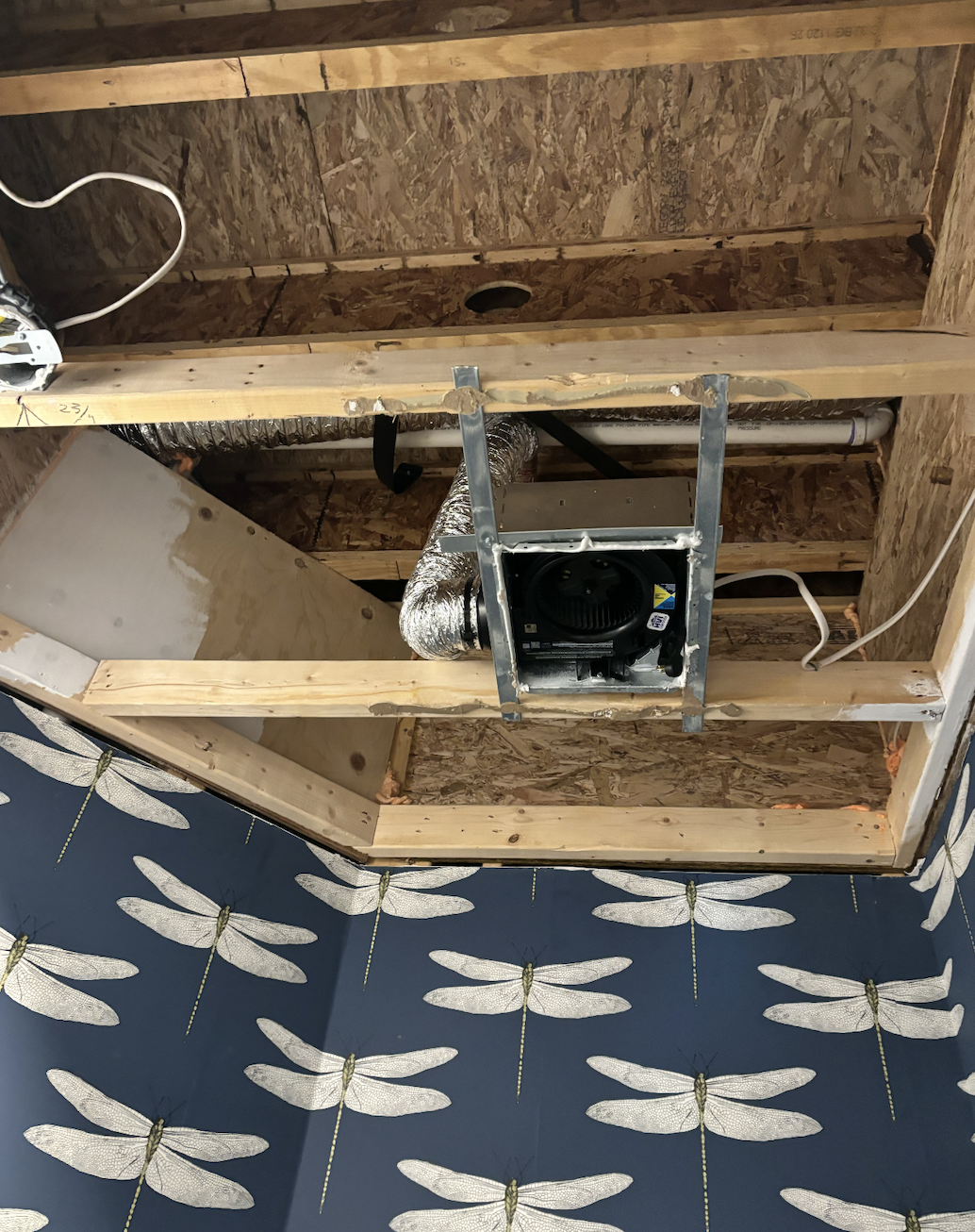
This is the fan exhaust in the second floor powder room. This was one of the first issues we saw. Without explanation the fan began leaking and then would spout water like a sprinkler. The theory here was that there was negative pressure in the house that was sucking in moisture from the outside wherever it could. We also had the same issues with the fan in the lower level bathroom.
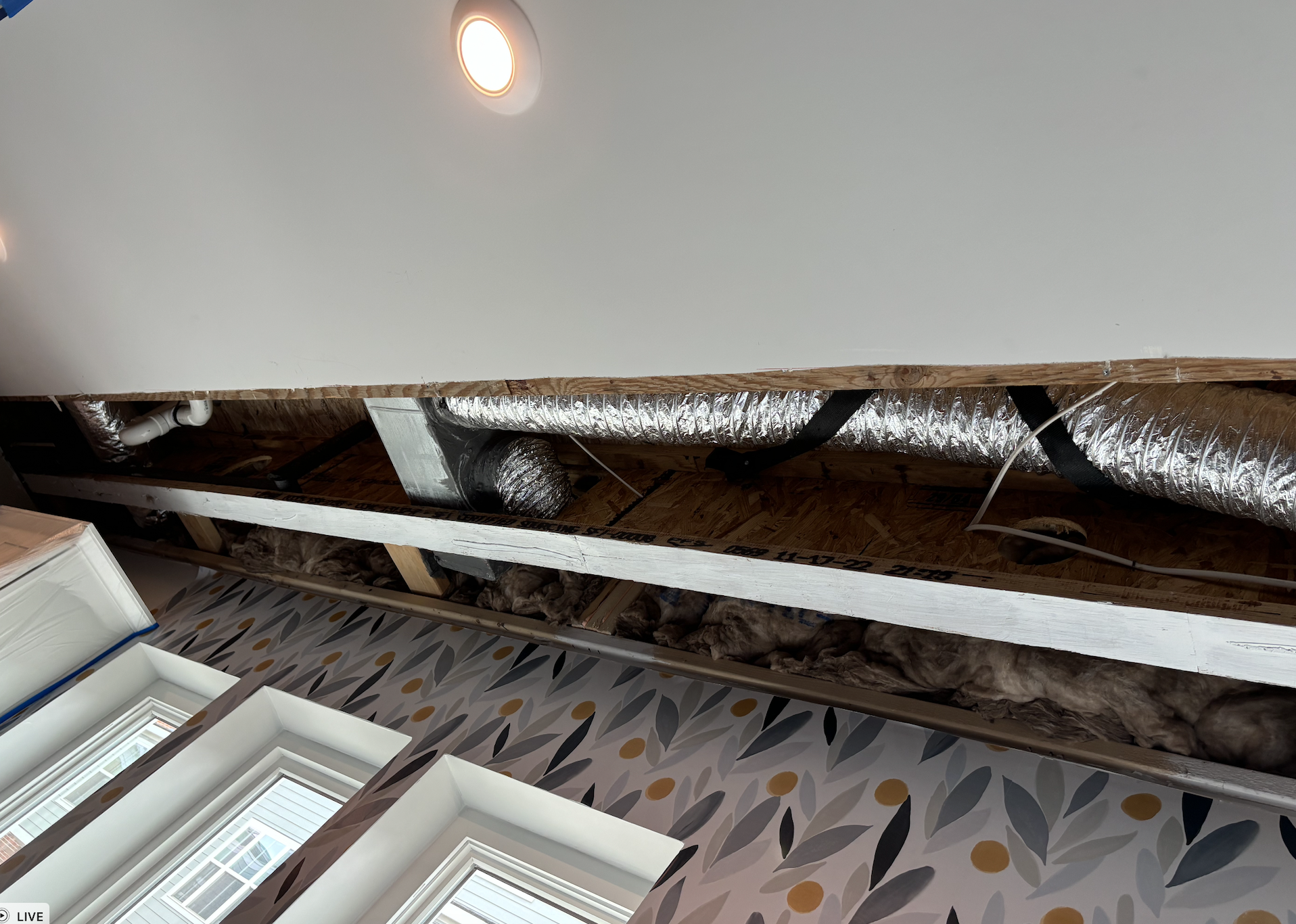
Duct work and ceiling in kitchen. This area needed mold remediation because of breeches in the insulation.
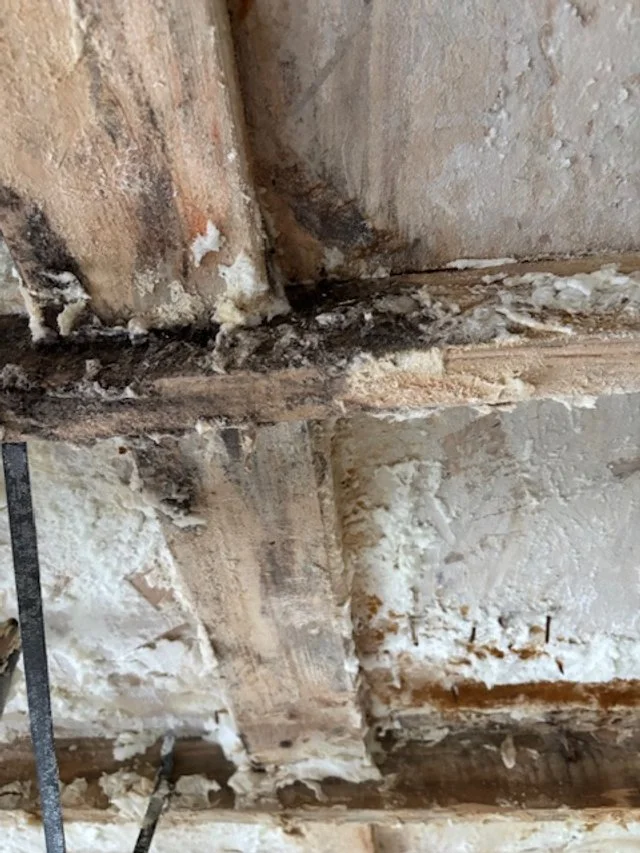
Photo of beams and joint work. We question the quality of wood and workmanship in a new home that cost over $1 million.
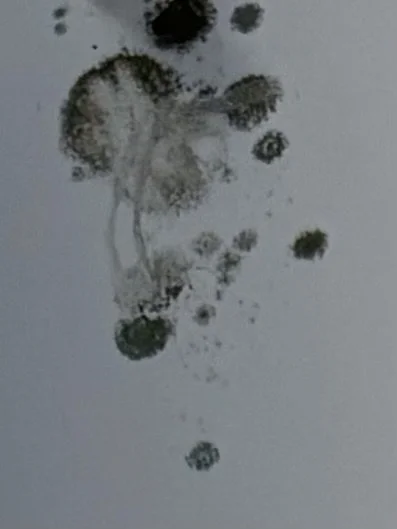
This is what was growing on the ceiling in our living room. We had multiple areas with various molds.
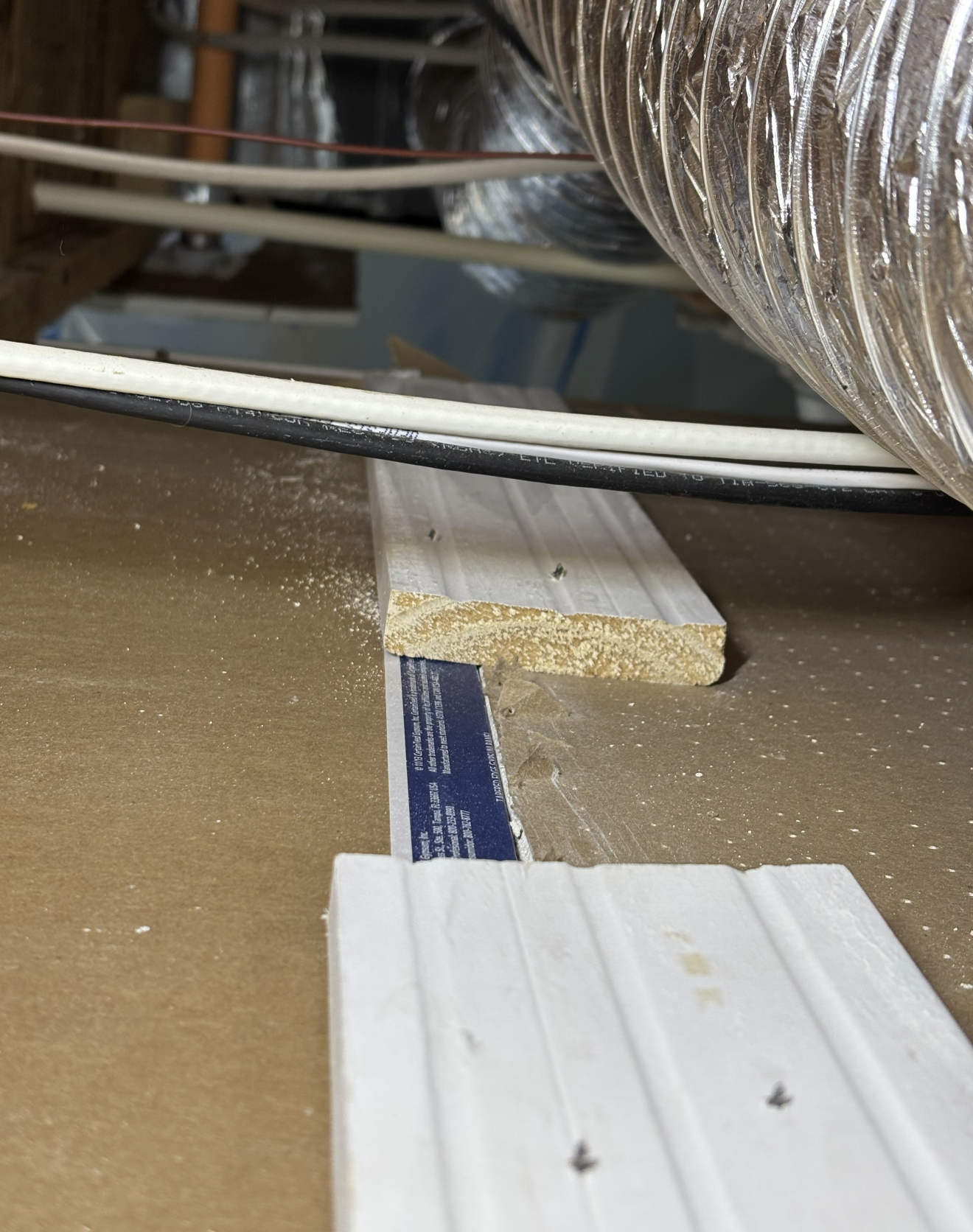
Workers used baseboard scraps to secure ceiling drywall. Is this best practice?
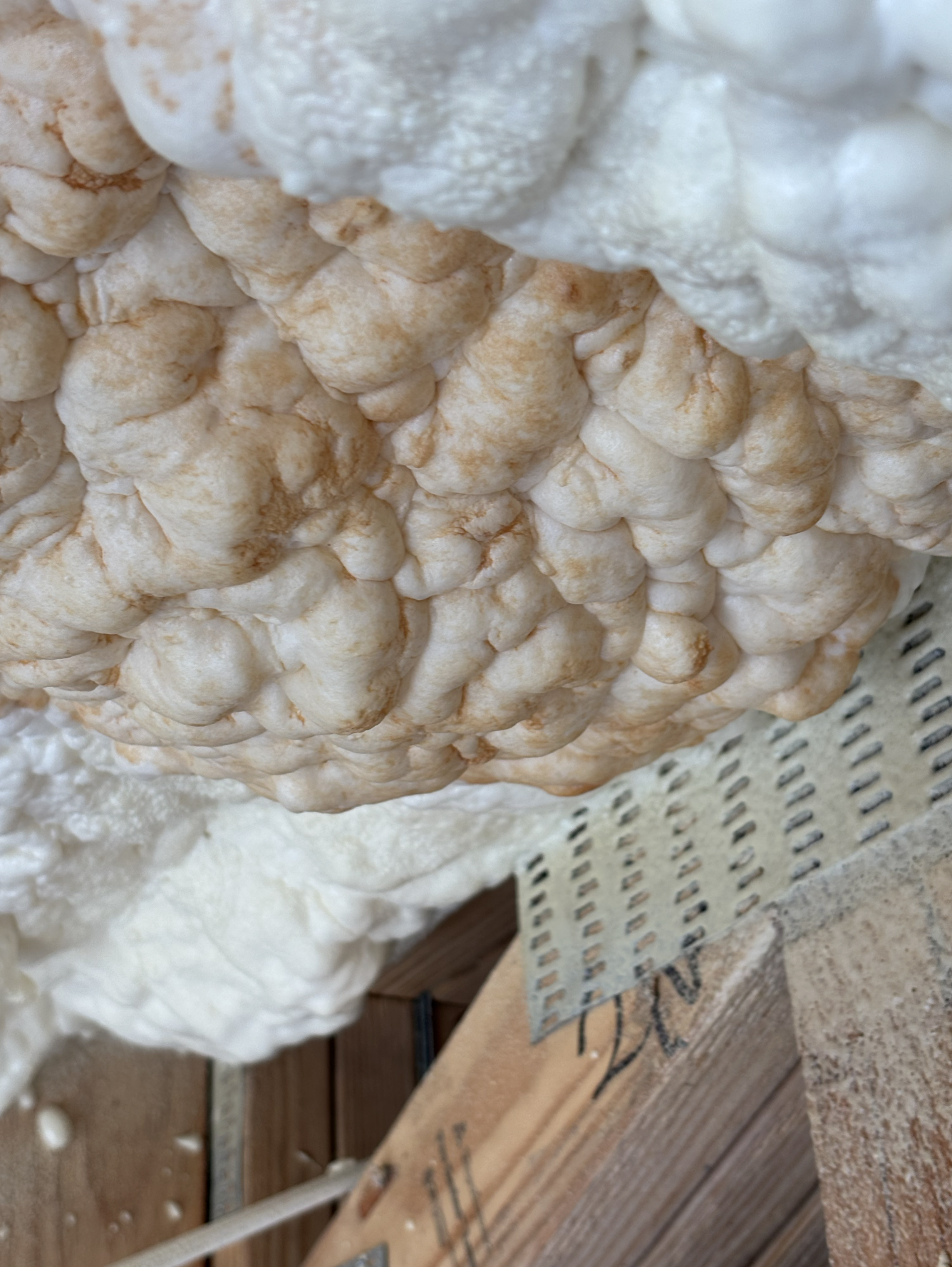
Water leaked from holes in the roof into the foam insulation where it collected and then dripped onto the ceiling drywall growing mold.
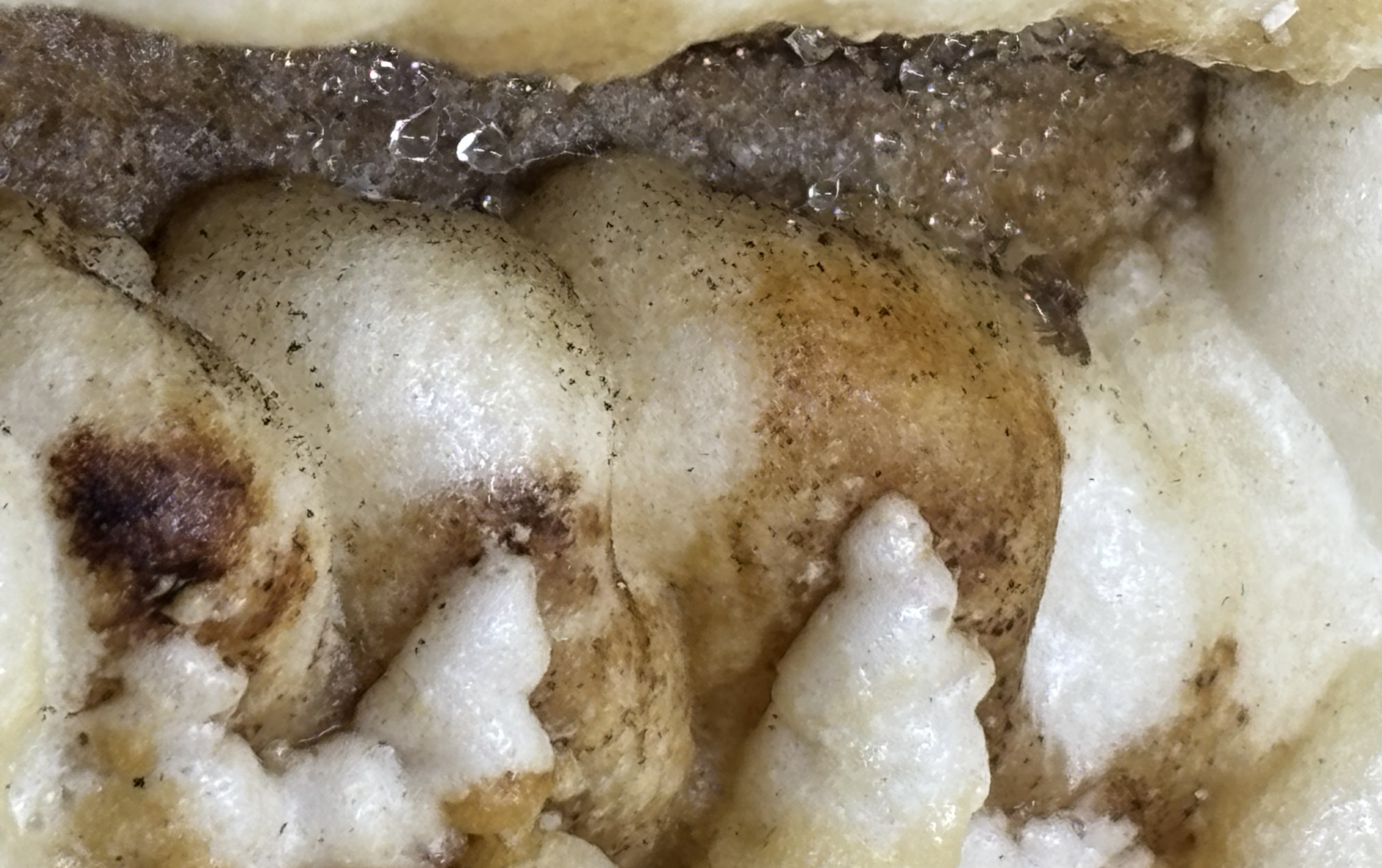
Closeup of mold and residue of leaks on foam insulation. This was in the main bedroom where a man with cancer and a compromised immune system spent most of his day.
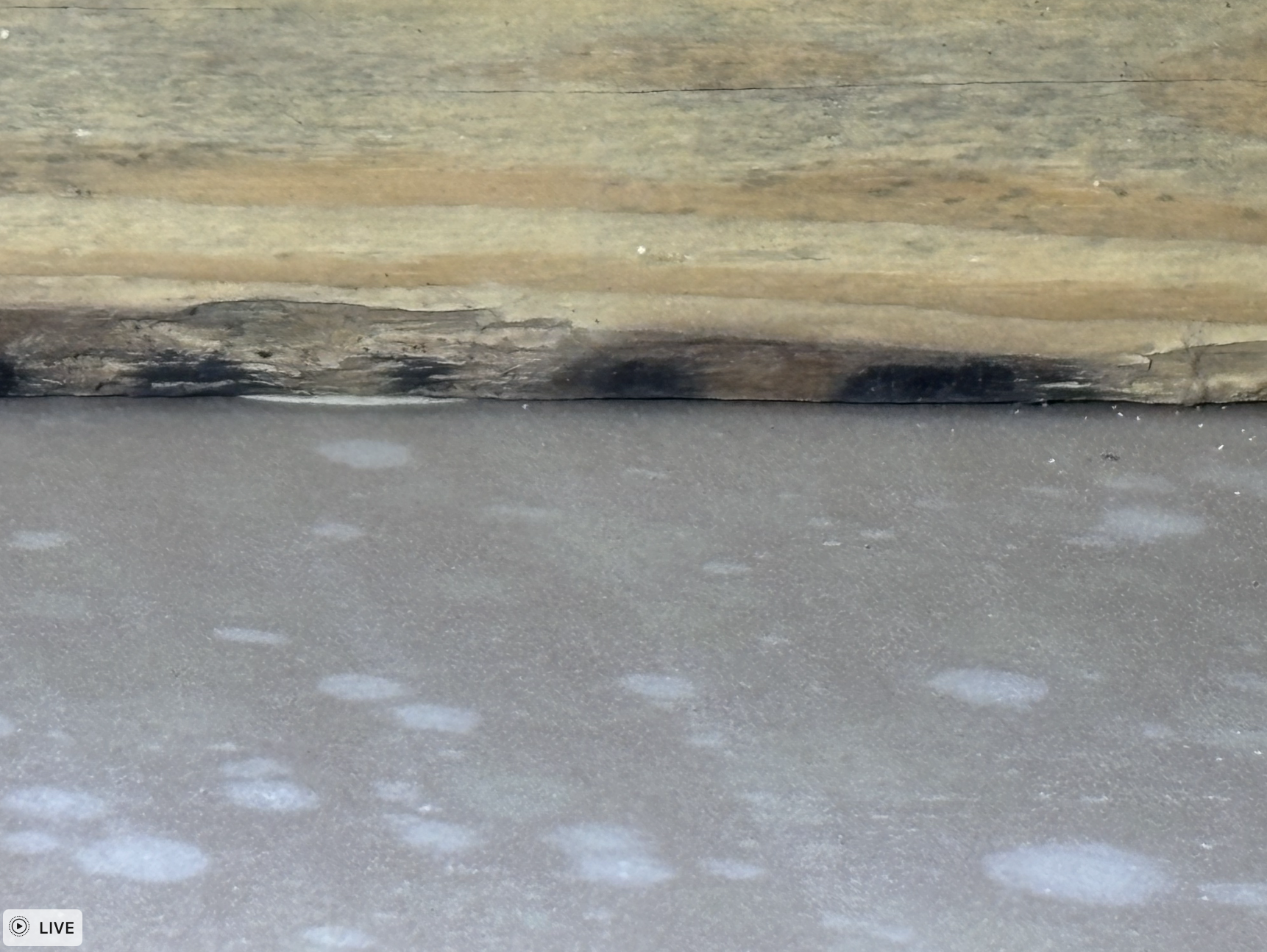
This is a photo of the space between the ceiling drywall and space between the roof. Notice two things. The mold growing on the drywall and the quality of the wood. We questioned whether the wood was mold infested at construction.
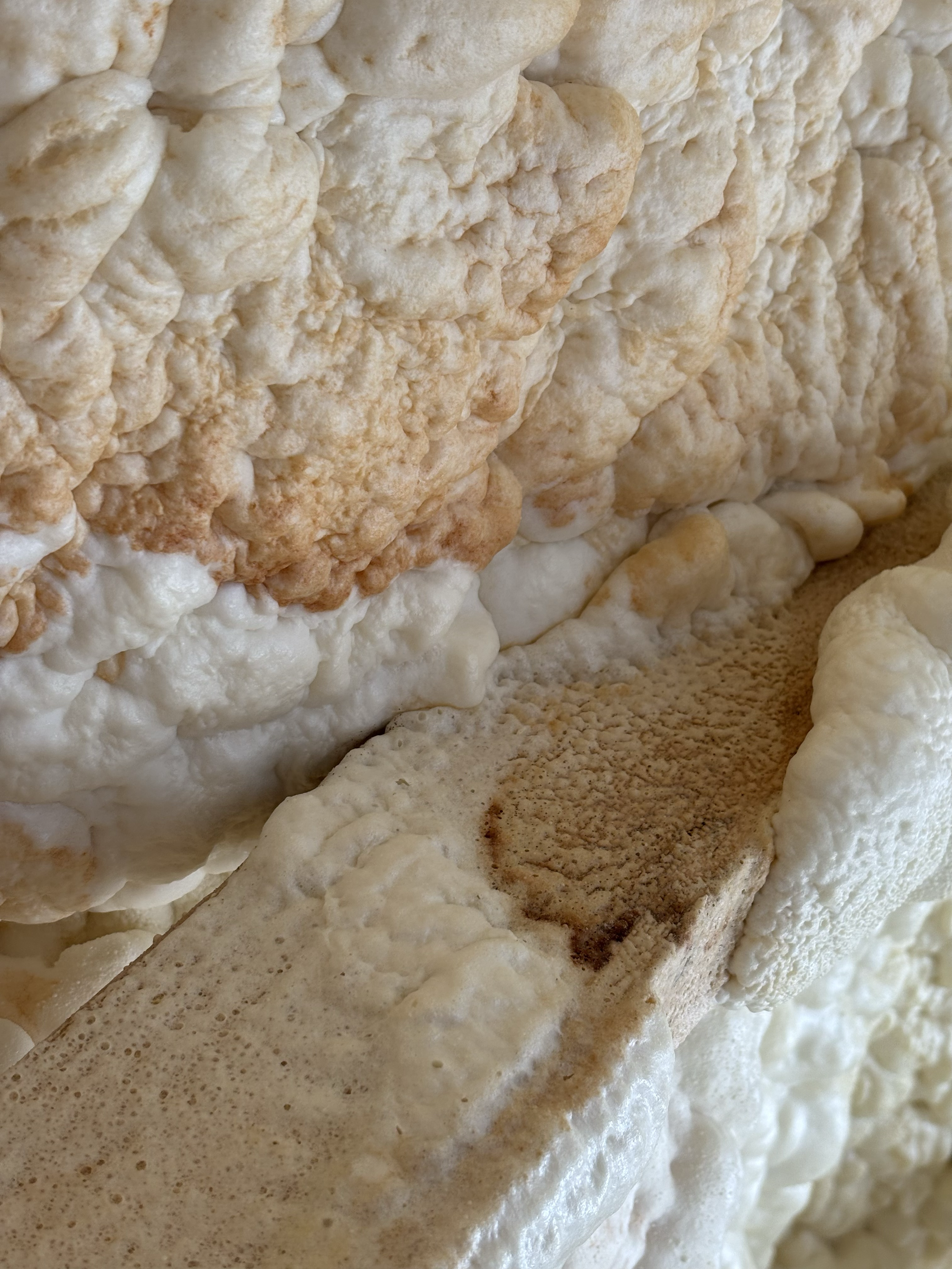
Another image of the foam insulation showing the discoloring from mold and leaks. We have no idea how long the roof was leaking and how long the mold was growing in the main bedroom ceiling space.
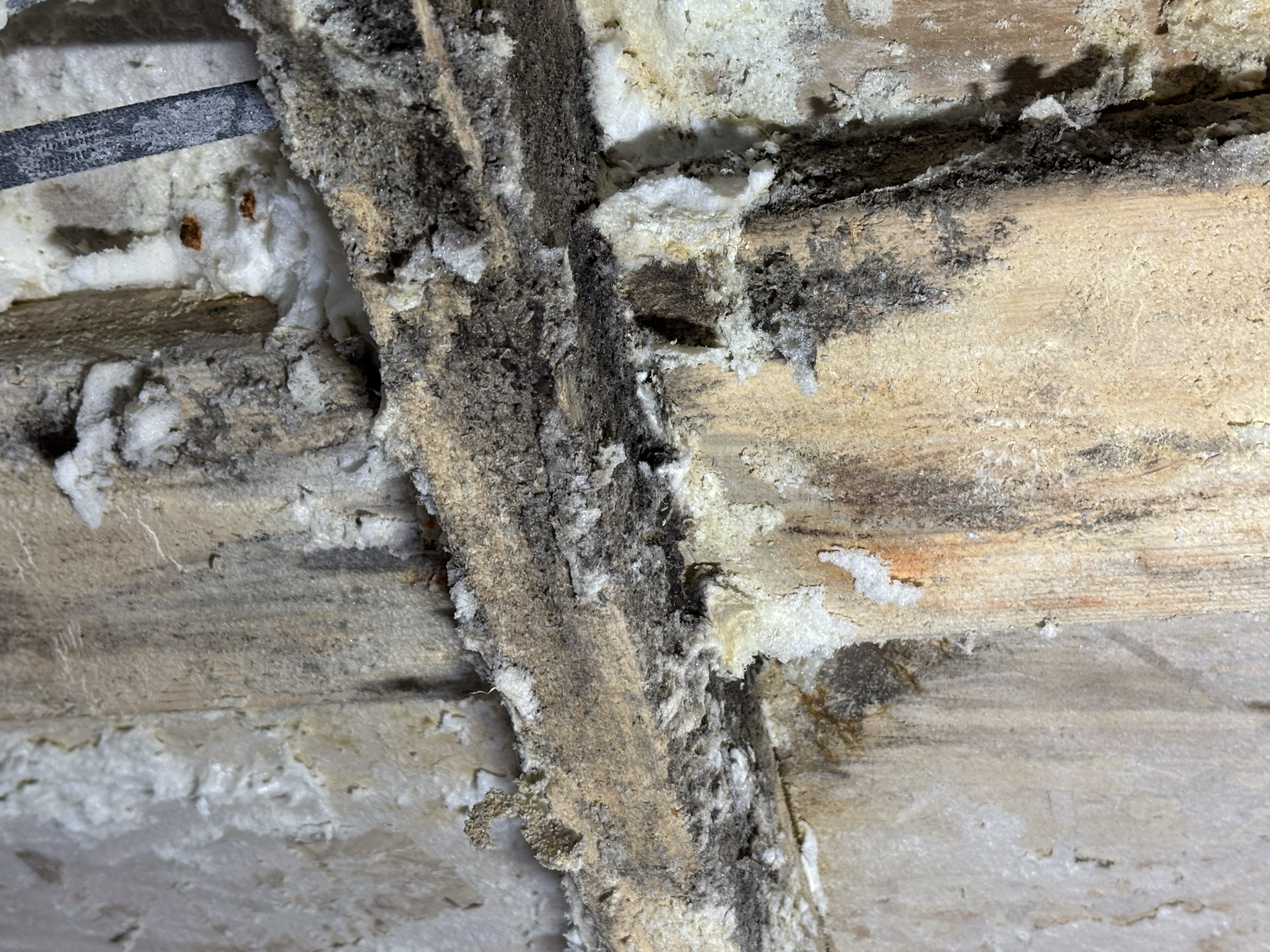
Image of mold damaged wood. This was the general condition throughout the house as mold was discovered in framing and ceilings.
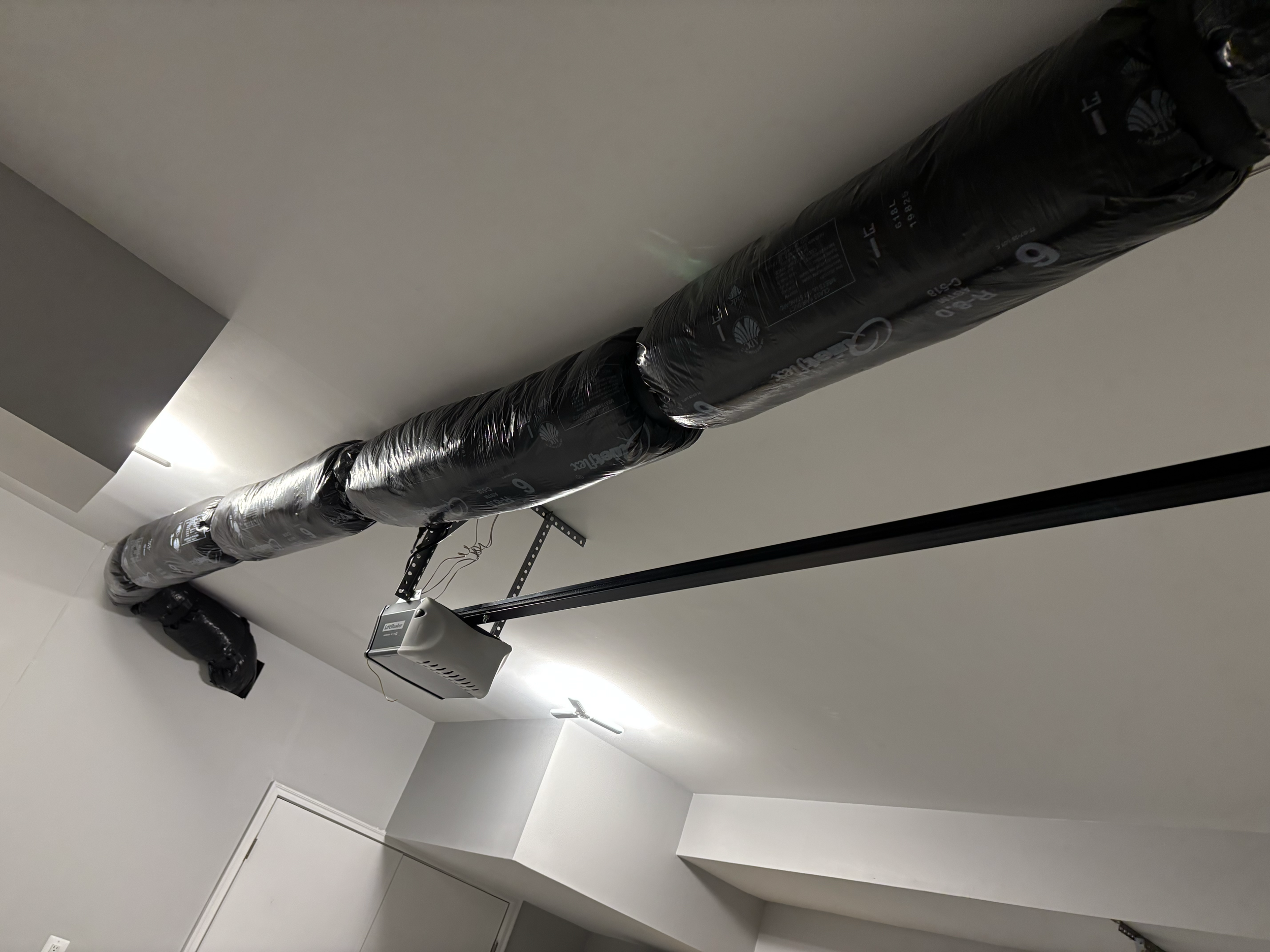
Additional ductwork needed to be installed in the lower level with an exit through the garage.
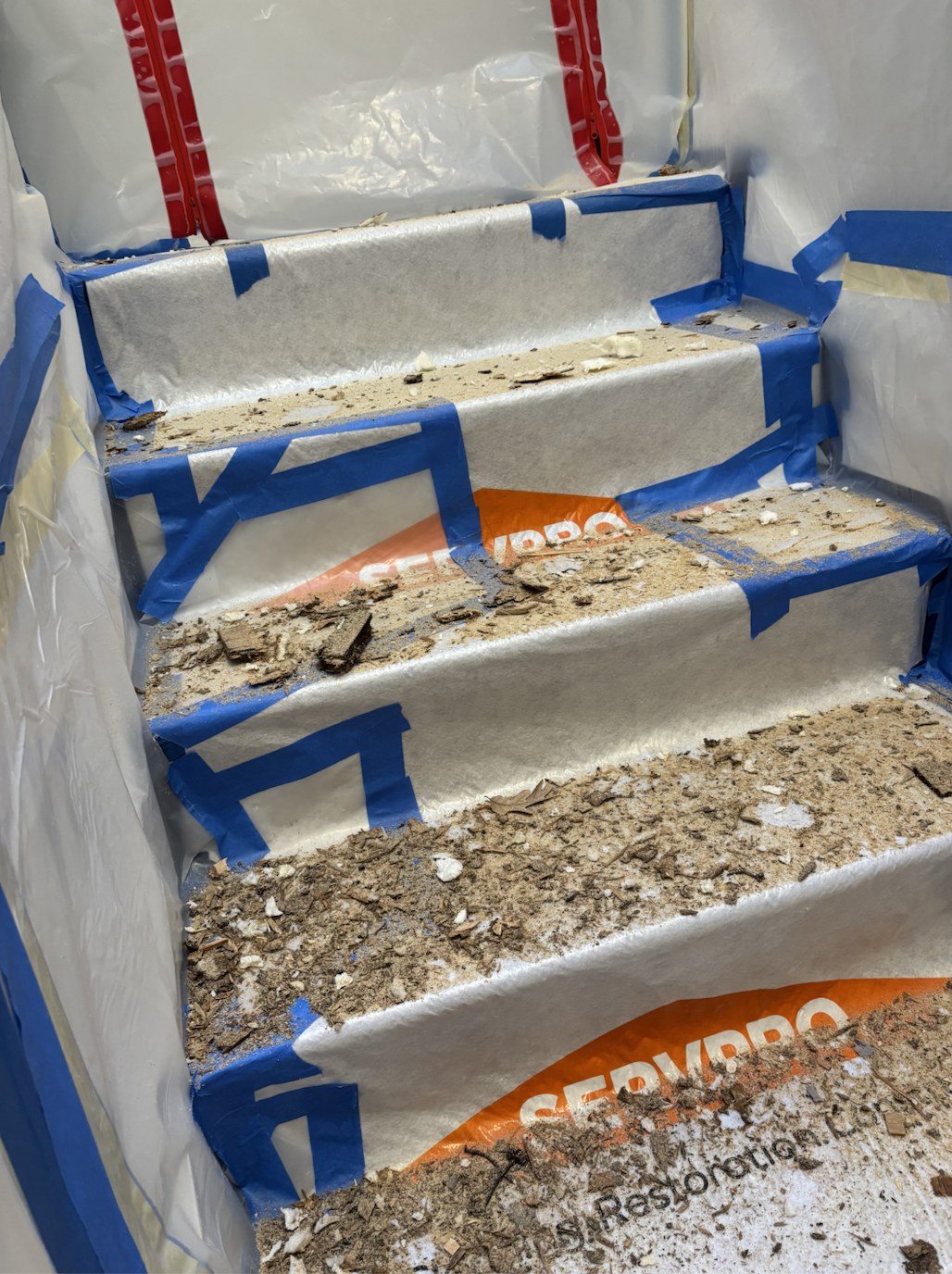
One of the constant issues was each time work needed to be done our home became a construction zone. Mold dust spread everywhere as well as dust created from drywall work. The fine dust was a concern not just during remediation/construction but remnants are a concern for David who is vulnerable because his cancer has severely impacted his immune system.